Thoughts

If injuries are caused by accumulated fatigue, when is the point that warm-up/activation/injury reduction drills help (by preparing for activity) or hurt (by adding fatigue)? “Good” sprint technique for a team sport athlete (soccer, basketball, etc.) involves low center of mass, short strides, and a forward lean to allow for unpredictable changes of direction. But…
The Playmaker’s Advantage: 8 Takeaways

Takeaways from The Playmaker’s Advantage: How to Raise Your Mental Game to the Next Level: 1) Physicality or athlete cognition – what is more effective to focus on? “We spend a disproportionate amount of time trying to grow muscle and increase speed when the payoff would be much greater by focusing on cognitive instructions and…
Nicotine: Eight Benefits
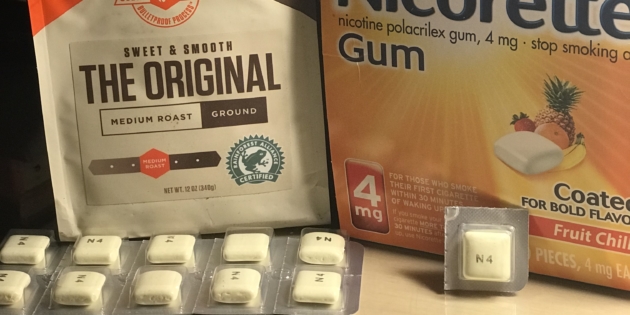
Nicotine stimulates the release of catecholamines, which helps to burn body fat. Study here and here. Nicotine activates uncoupling proteins in mice, mitigating obesity. Study here. Nicotine increases leptin (hormone that inhibits hunger) in rats. Study here. Nicotine stimulates skeletal muscle mTOR (pathway of growth). Study here. Nicotine is a nootropic (enhancing cognitive function). It…
Football Periodisation: 10 Takeaways
1) Strength coaches should learn soccer language instead of expecting coaches to understand strength coach language “When, for example, a fitness coach from an outside football enters the football world, he often decides to keep using his own fitness jargon like aerobic and anaerobic. Even worse, he expects everyone in the football world to learn…
JACKEDTHLETE – High Frequency Training
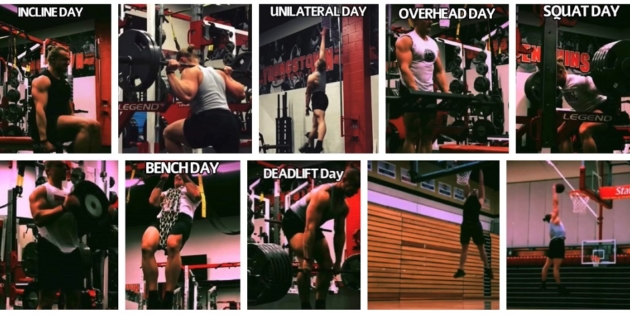
JACKED [jakt] adjective – (of a person) having very well-developed muscles. ATHLETE [ˈaTHˌlēt] noun – a person who is proficient in sports and other forms of physical exercise. JACKEDTHLETE is meant for competitive athletes desiring both the physical development to compete at a high level (strength, explosiveness, etc.) paired with juicy muscularity (“look good to…
Block Periodization: 6 Takeaways
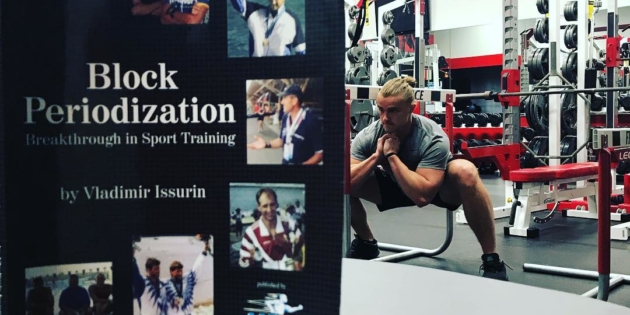
From “Block Periodization: Breakthrough in Sport Training” by Vladimir Issurin: 1) Contrary to popular belief, animals warm-up before running. “When rabbit came out from its burrow, it looked around (moving its head and stretching its neck and back muscles) and trotted forth and back several times” before running across the field. Therefore, the rabbit performed…
Supertraining: Takeaways
Notes from “Supertraining: 6th Edition, Expanded Version” by Yuri Verkhoshansky and Mel Siff: 1) Movement is not just Biomechanics, but also involves the Brain and Behavior (3 B’s of Movement – Shawn Myszka) “Note that the term kinesiological pattern is used in preference to “biomechanical pattern” or “biomechanics” to emphasize that we are not simply referring to…
How to Jump Higher: Accentuated Eccentrics
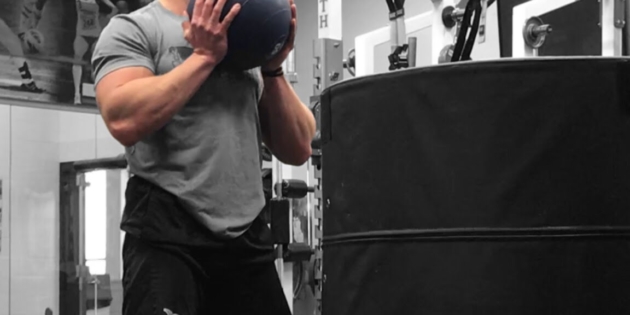
Holding weight in the hands and dropping it before going upwards in a jump is known as Accentuated Eccentric Loading. Compared to normal body weight jumping, this method proves to be more effective. Short-term: In elite male volleyball players, block jumps were performed at Body Weight and with a 20kg eccentric load. The body weight jumps were…
How to Jump Higher: Train the Upper Body
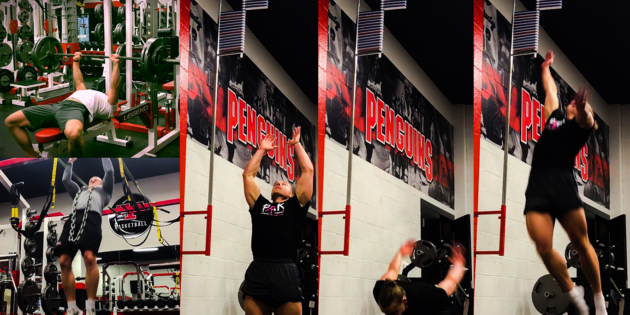
The vertical jump is not just a lower body movement. Squats, Deadlifts, and plyometrics aren’t enough to optimize jump performance. You also need to develop the muscles of the torso: The erector spinae extend the trunk going into takeoff, enhancing jump height [1]. You should also be training the muscles of the arm: In a study…
Instantly Jump Higher and Lift Heavier: Post-Activation Potentiation
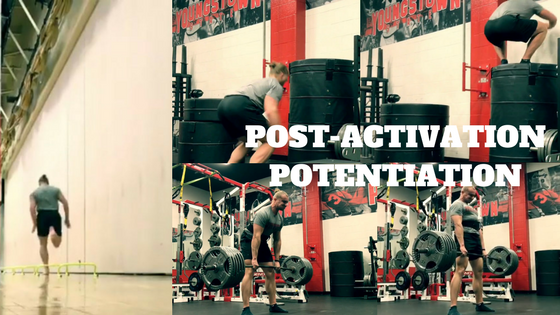
Potentiation. Noun. The increase in strength of nerve impulses along pathways that have been used previously, either short-term or long-term. You spend months trying to jump higher and increase strength numbers. What if you could be stronger and more explosive every time you entered the gym? Enter Post-Activation Potentiation (PAP): PAP is the phenomenon by which…
Vertical Jump
Muscle Gain
Free 1×20
